2024

Beaux Arts de Marseille, the GAPS (Groupement Archéologique de Pays de Seyne) & l’Art en pistes!
In the valley, the La Blanche mountain range is omnipresent. Wherever you look, they’re there. You can see them out of the corner of your eye, and they fill your vision when you look at them head-on. Austere, they have a certain solemn beauty. They make up the topographic cloth of the region since long before humankind arrived, and they’ll be there long after.
We live in an era shaken by ecological and political turmoil: the way of life in Chabanon, Selonnet or Monclar are changing little by little, the agricultural practices are evolving, the tourists come and go each year. But the mountains won’t budge.
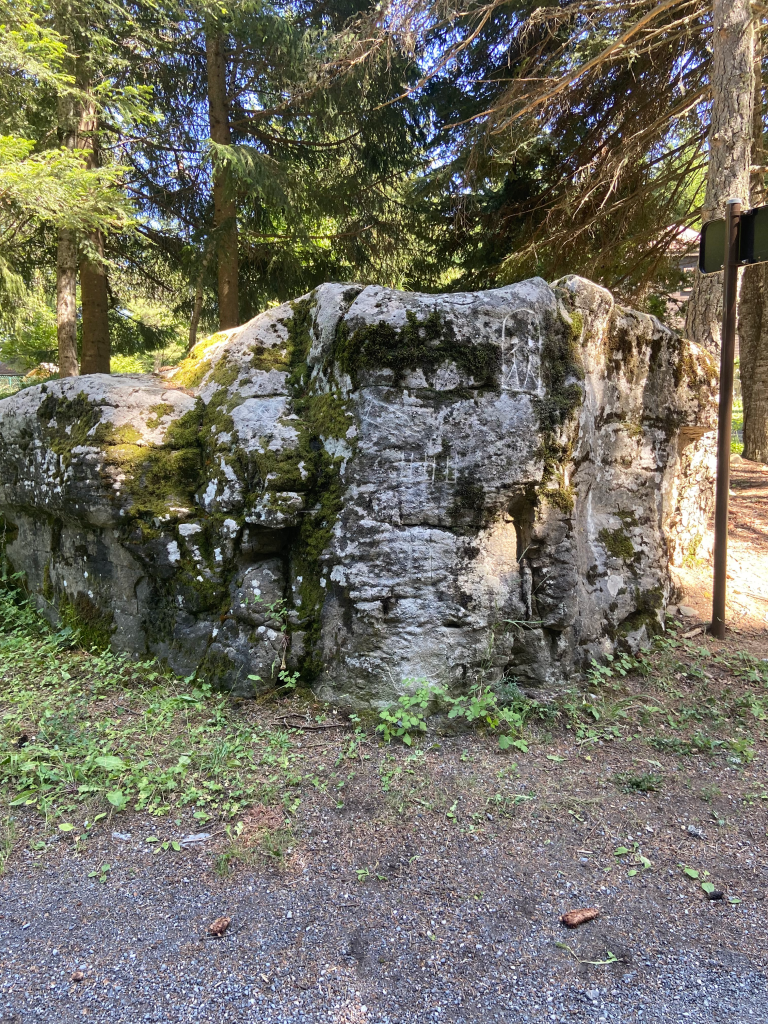
Like the rock itself, anything that is engraved into the mineral surfaces will remain immutable.
For thousands of years, humankind has left its mark in the rock in order to transmit information to present and future inhabitants. This was the case for the Celts who lived in the region, which still bears the signs of their civilization in the form of menirs, sacrificial altars and solar calendars. During a residency with Rouvrir le Monde, financed by the DRAC (Direction Régionale des Affaires Culturelles), I was able to find these signs thanks to the GAPS (Groupement Archéologique du Pays de Seyne), namely Luc Poussel, and their passion for the history of the Pays de Seyne.
Agriculture, rites, meterological specificities, all of these things have been communicated to us by these objects which have resisted multiple climatic events and the passing of thousands of years. This form of transmission and communication which resists the passing of time and propagates from generation to generation is essential in order to understand what moves us as humans. We need to hold on to our stories to keep the spirit of this region alive.
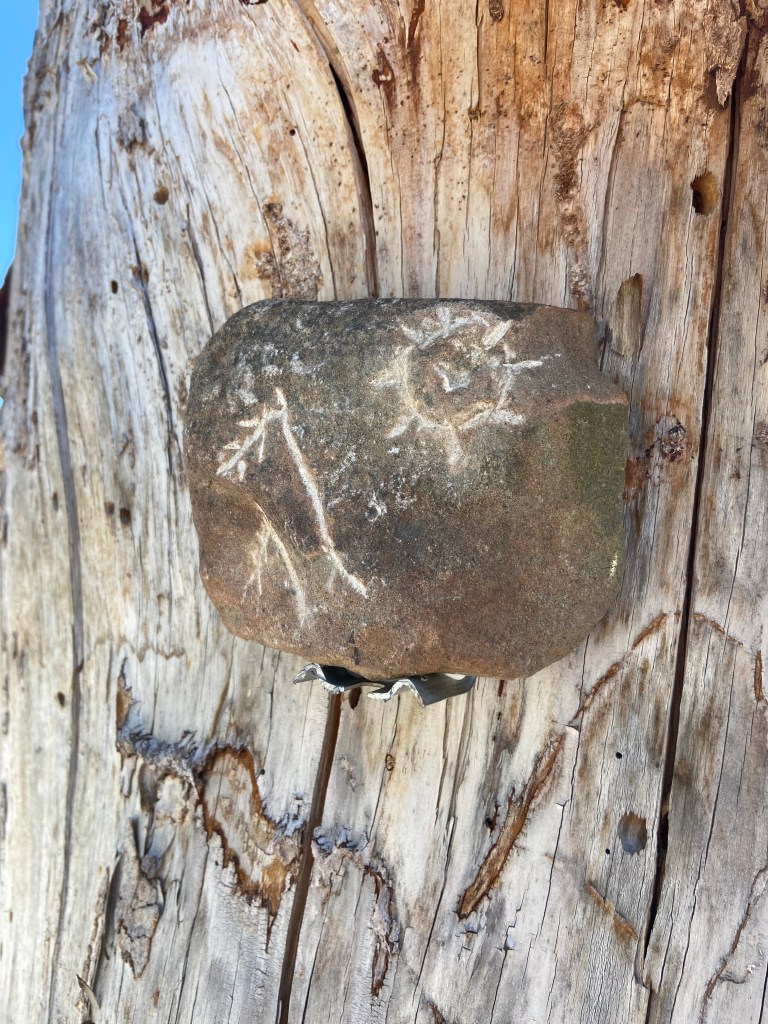
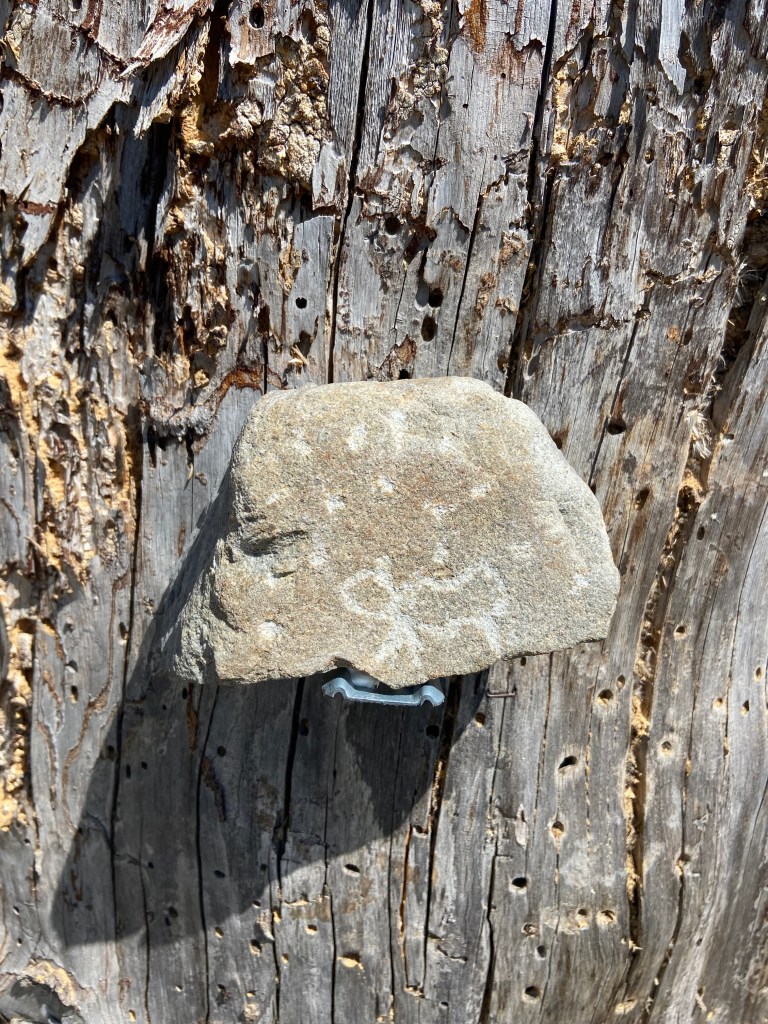
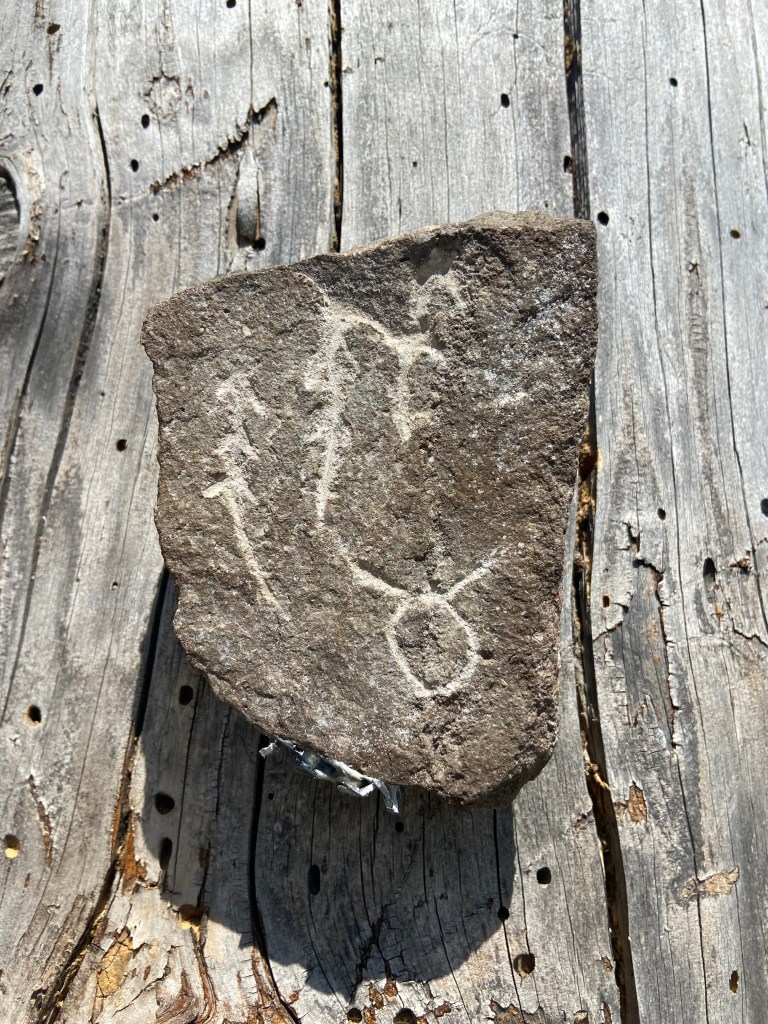
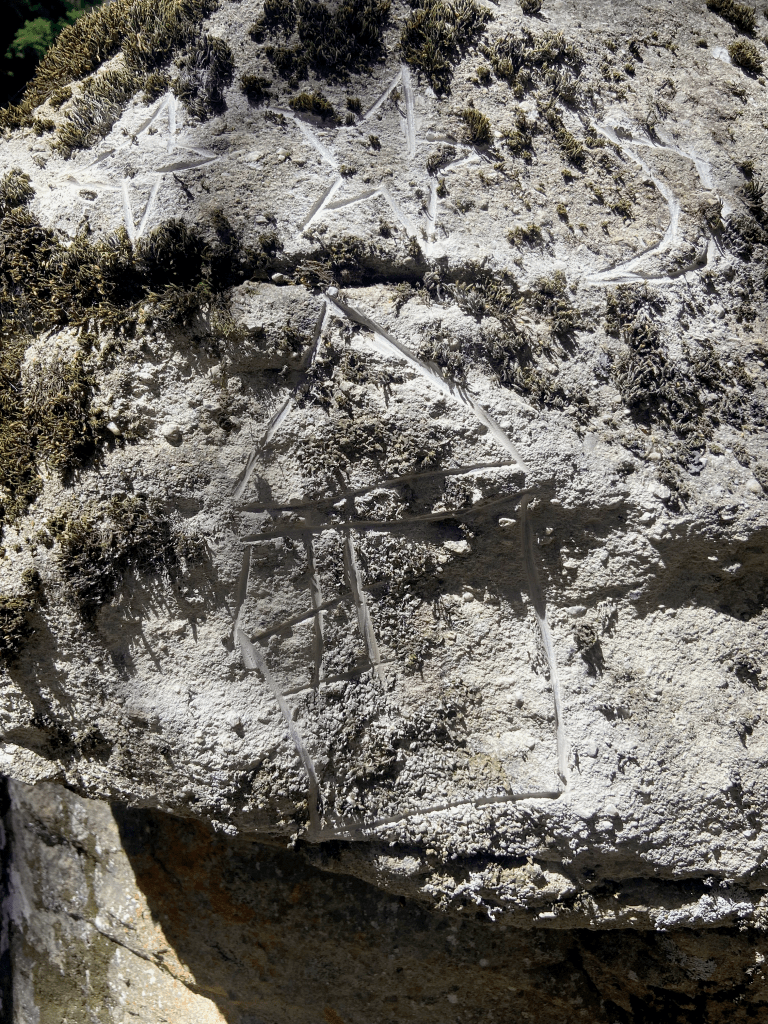
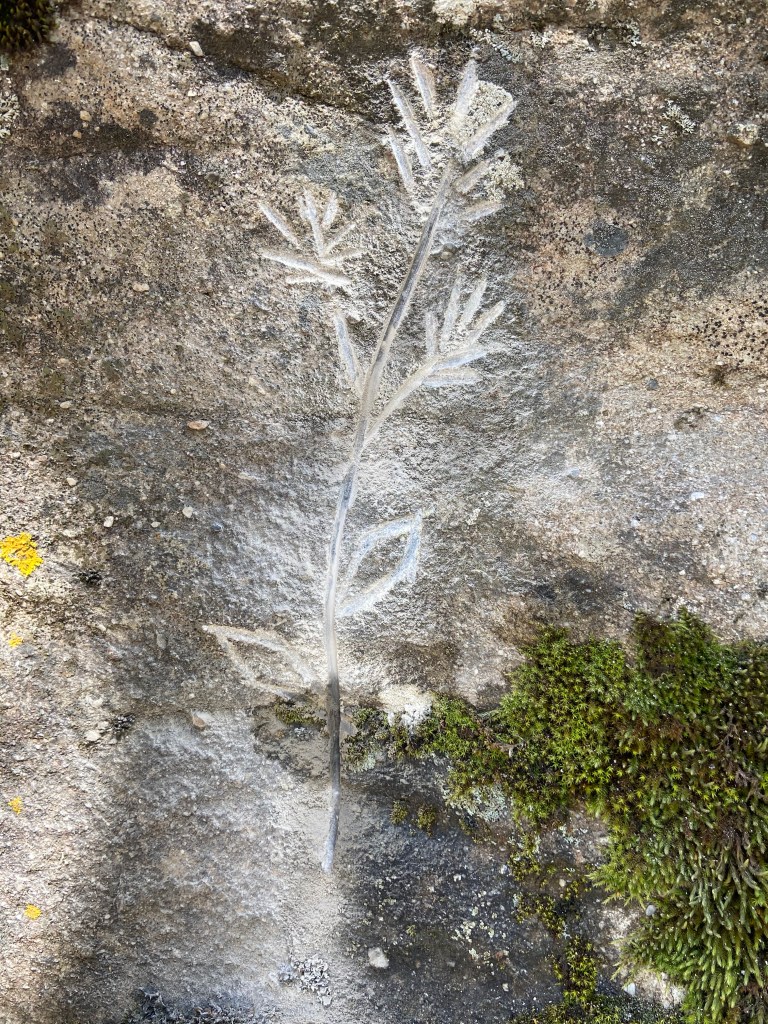
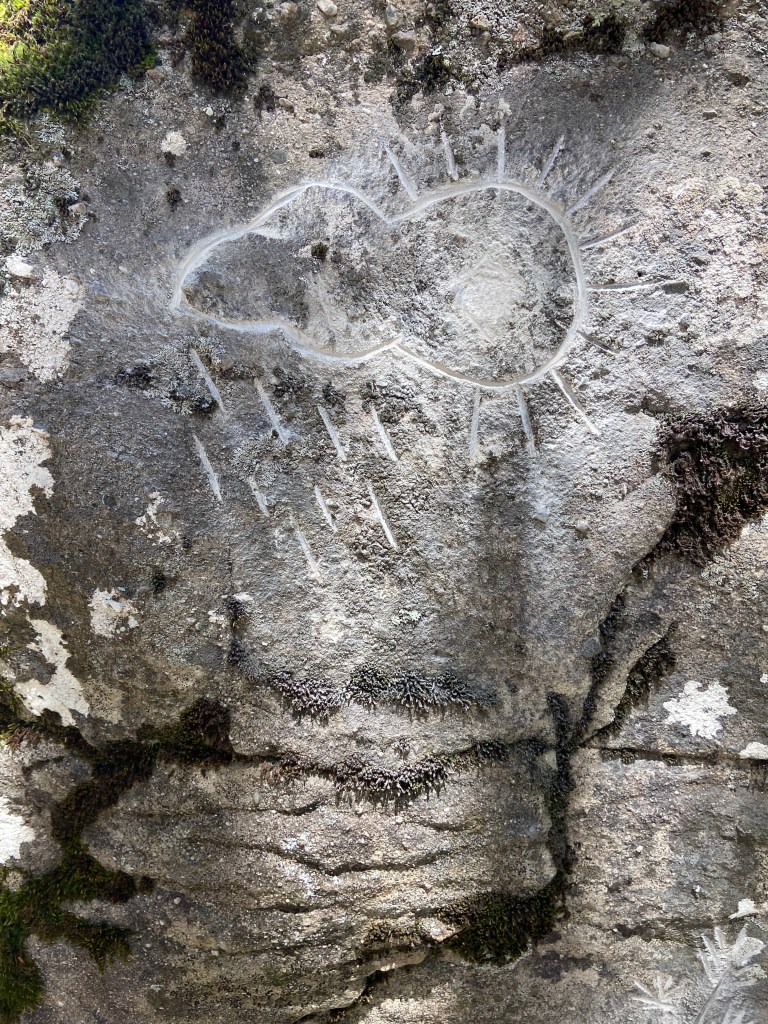
The stories, anecdotes and tips gathered with the GAPS and locals around the valley (Jérôme Denier, Fabien Barbia, Bernard Bertin, Florence Michel, Jean-Marc Izoard…) allowed me to create contemporary menhirs, with a series of new pictograms cut into the rock, telling the stories of the valley today, for future generations.
As such, these tales and the people telling them will always be there as markers of the life of the valley in a precise moment in time, surviving even the most brutal potential ecological shifts and the passing of time.
With the organization l’Art en pistes ! I created a treasure hunt which starts by finding the new menhirs along the path which joins Chabanon with Selonnet, then by picking out the pictograms which are engraved into each one, so as to be able to decipher them by going to three different spots in the two villages (shown on the map a gave them). At each of the spots, they can find to understanding the pictograms. By going to each place, they may end up meeting with and talking to the people who live and work there. In this way, the public doing the trail becomes implicated in the transmission of information and stories to the young and older generations who come to the region, creating a link between our celtic ancestors, us, and the generations to come.
During the opening of the trail at the end of the residency, with the public and elected representatives from the Mairie de Selonnet, the former director of the GAPS Luc Poussel said: “Oliver isn’t looking to replace archeologists. He doesn’t create anything fake or misleading. He creates something new out of local preexisting stories and thus continues to engrave on the history of Earth. The archeologists at the GAPS are incapable of creating something new in the context of our work and our research. He does, and that’s what makes the project that he built here with us beautiful”.

 Oliver Salway